How your DNA defines your scent.
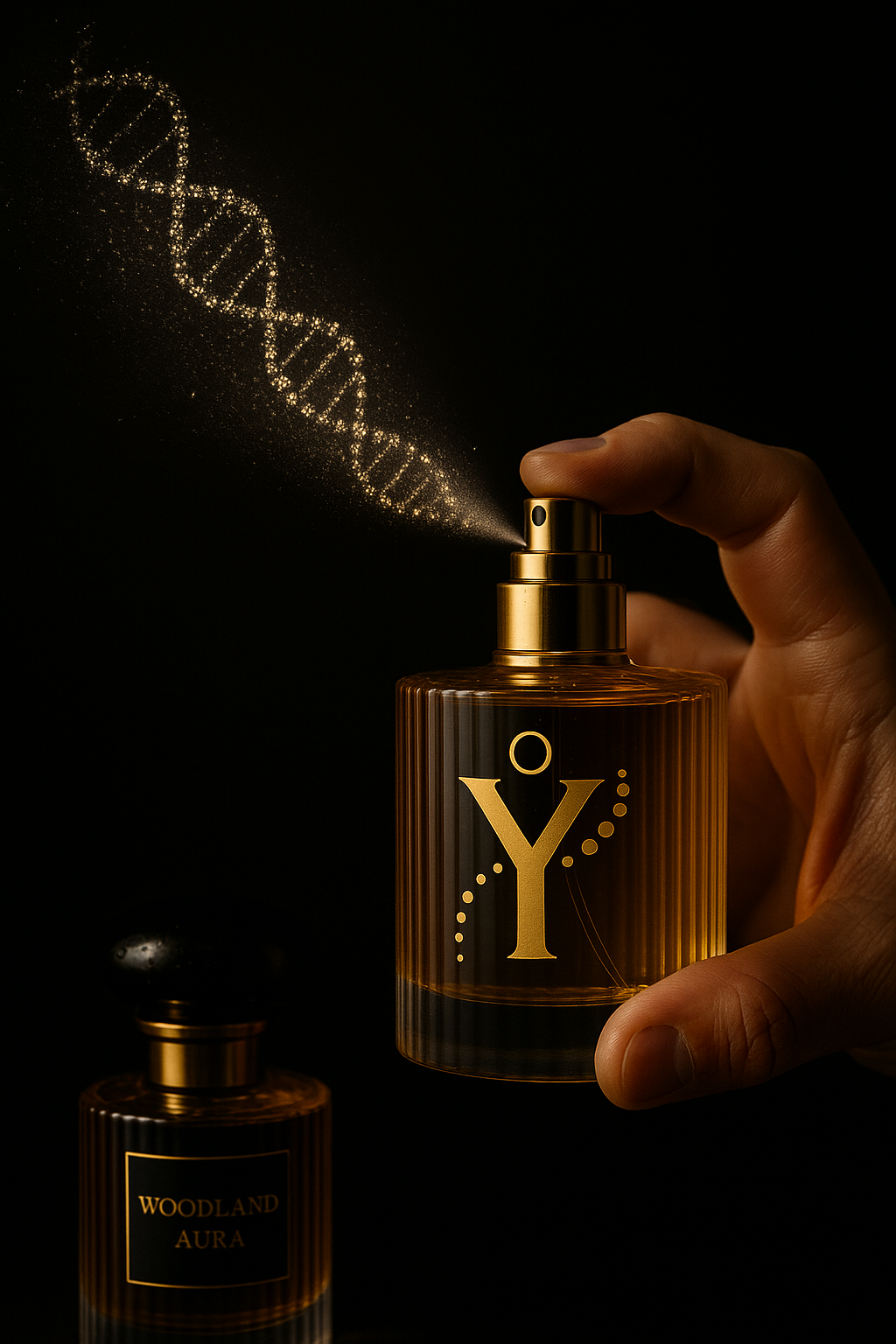
Why Cologne Smells Different on Everyone: The Science of DNA, Skin Chemistry & Lifestyle
And How YORA Uses It to Help You Find Your Signature Scent
If you’ve ever tried on a cologne that smelled incredible on a friend—but completely different on you—you’re not imagining it. Fragrance doesn’t perform the same on any two people. What smells like clean bergamot and fresh cedar on someone else might pull sweet, sharp, or musky on your skin.
Why?
Because cologne doesn’t just react to air… it reacts to you.
At YORA, we believe scent isn’t one-size-fits-all. It’s personal. It’s biological. It’s yours. Here’s the science behind why certain fragrances wear differently—and how your DNA, lifestyle, and daily habits shape your signature scent.
1. Your DNA Determines Your Skin Chemistry
Every human has a unique genetic makeup, and part of that blueprint controls:
Skin pH levels
Oil (sebum) production
Sweat composition
Natural body odor
Hormone balance
These biological factors influence how fragrance molecules bind to your skin.
For example:
This is why fresh citrus colognes disappear quickly on some people, while amber and musk explode in strength for others. Your DNA sets the stage.
2. Your Microbiome Affects Your Scent
Your skin has trillions of bacteria—collectively called your microbiome. Don’t worry, it’s normal. But it matters for fragrance.
Microbes interact with scent compounds and can slightly alter how notes develop. This is one reason certain people pull scents “sharper,” “sweeter,” or “earthier” than others—even when using the exact same bottle.
3. Body Temperature Impacts How a Cologne Projects
Warmer skin causes fragrance to evaporate faster and project stronger.
You might notice:
Scents smell louder and spicier on warm-bodied people
Colder skin keeps fragrances quieter, softer, and closer to the body
This is why some colognes feel overpowering on one person and subtle on another.
4. Diet & Hydration Change Your Scent
Yes—what you eat and drink impacts how fragrance smells on your body.
Foods and habits that affect scent:
🧄 Garlic, onion, curry, red meat → can intensify muskier undertones
☕ Coffee, alcohol → can make fragrances smell sharper or drier
🥬 Greens, clean diet → can support lighter, fresher scent profiles
💧 Hydration → helps fragrances sit smoother and last longer
Dehydrated skin = dull fragrance performance.
5. Lifestyle & Environment Shape Your Fragrance Performance
FactorEffect on CologneSmokingCan mute bright notes, amplify heavy notesSweat & gym lifestyleBoosts saltier, woodier scent reactionsHumid climateMakes fragrances project stronger & sweeterDry or cold climateCauses scents to fade faster
Even your daily stress levels, hormonal changes, and sleep cycle subtly impact how fragrance reacts to your skin.
6. This Is Why “Best Cologne Lists” Don’t Work for Everyone
You can’t actually crown a “best cologne for men” universally—because scent success is personal.
A better question to ask is:
“What fragrance performs best on my skin, with my chemistry, in my lifestyle?”
That’s the question YORA was built to answer.
7. YORA: The Science-Meets-Scent Approach
At YORA, we take a different path: we help you discover a fragrance that fuses with your biology rather than fights it.
We design scent profiles that work with:
Your natural skin chemistry
Your heat and moisture levels
Your lifestyle and energy (your aura… your YORA)
The moments you wear fragrance most
Because your cologne shouldn’t just smell good—it should smell like you, amplified.
